

NVC Resources on Peace
-

Meeting Our Need for Order
disorderly if their strategy for order is different than yours. Be aware today of the variety of ways people meet their need for order. This trainer tip is an excerpt from Mary Mackenzie's book, Peaceful Living, available from PuddleDancer Press. Keywords: order strategy organize clutter Mary Mackenzie
-
You’re Not Too Much
you meet that need, you will be more likely to enjoy your friends. Remind yourself today that everyone has their own priority of needs. This trainer tip is an excerpt from Mary Mackenzie's book, Peaceful Living, available from PuddleDancer Press. Keywords: needs neediness priorities judgements Mary Mackenzie
-
Focusing on Where We Are the Same
in your ability to understand yourself and other people, and to bring unity to your life. Notice today how everyone has the same needs. This trainer tip is an excerpt from Mary Mackenzie's book, Peaceful Living, available from PuddleDancer Press. Keywords: differences strategy conflict judgement disagreement common ground Mary Mackenzie
-
When Hearing A No
needs. Such an approach can calm the waters for easy conflict resolution. Today, notice what the people in your life are saying yes to. This trainer tip is an excerpt from Mary Mackenzie's book, Peaceful Living, available from PuddleDancer Press. Keywords: no demand persist giving in empathy parenting conflict Mary Mackenzie
-
The Value of Change
likely he will be to respond. Be aware today of another person’s needs, and let them know that you value their needs as much as your own. This trainer tip is an excerpt from Mary Mackenzie's book, Peaceful Living, available from PuddleDancer Press. Keywords: teens parenting conflict chores collaboration Mary Mackenzie
-

Supporting Our Loved Ones In Living Authentically
we all win Take the time to help at least one person connect with her feelings and needs today. Notice if this deepens your relationship. This trainer tip is an excerpt from Mary Mackenzie's book, Peaceful Living, available from PuddleDancer Press. Keywords: authenticity communication facilitate Mary Mackenzie
-
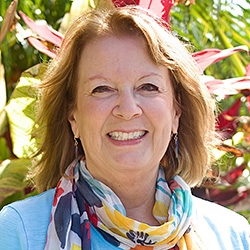
Celebrate Your Progress!
have the same expectations for your emotional fitness either! Celebrate your progress today because it will encourage you to keep trying. This trainer tip is an excerpt from Mary Mackenzie's book, Peaceful Living, available from PuddleDancer Press. Keywords: celebrate change habit goal resolution exercise judgment encouragement Mary Mackenzie
-
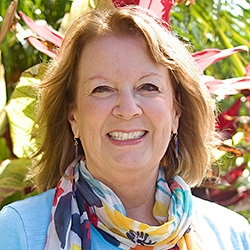
Universal Needs
different kinds. We all breathe the same air. We all love, cry, and grieve. Notice the universal needs you share with other people today. This trainer tip is an excerpt from Mary Mackenzie's book, Peaceful Living, available from PuddleDancer Press. Keywords: needs Mary Mackenzie
-
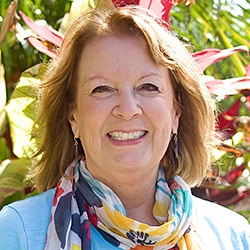
Making Requests Count
a better chance of meeting your needs. Make clear requests of people today, and notice if you are more successful at meeting your needs. This trainer tip is an excerpt from Mary Mackenzie's book, Peaceful Living, available from PuddleDancer Press. Keywords: request demand conflict Mary Mackenzie
-
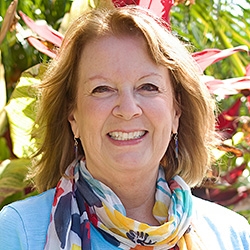
Don't Assume You Know What Other People Need
a friend comes to you with a problem today, just listen intently. Don’t try to fix it. Resolutions will come naturally once she is heard. This trainer tip is an excerpt from Mary Mackenzie's book, Peaceful Living, available from PuddleDancer Press. Keywords: assumptions humility listen problem solving condescend mansplain Mary Mackenzie
Quick Links

Stay in Touch!
We value your privacy, won't share your email address and you can easily unsubscribe any time.
